انتظار موعود

انتظار موعود

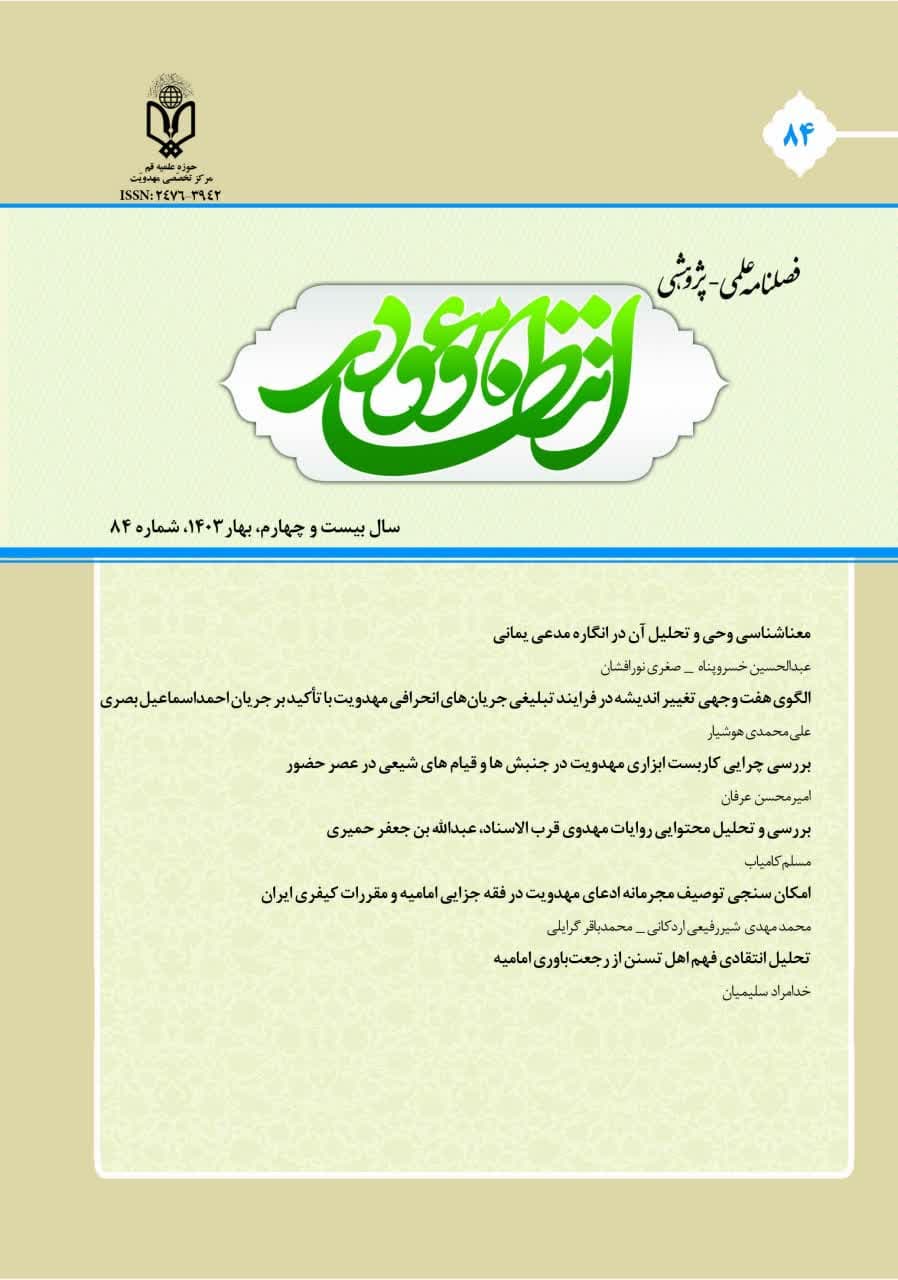
امکان‌‌سنجی توصیف مجرمانه ادعای مهدویت در فقه جزایی امامیه و مقررات کیفری ایران

نوع مقاله : مقاله پژوهشی

نویسندگان
1 حقوق جزا و جرم شناسی، دانشکده حقوق و علوم سیاسی، دانشگاه شیراز، فارس
2 گروه حقوق جزا و جرم‌شناسی، دانشگاه بین‌المللی المصطفی (ص)، مشهد، ایران
چکیده
«ایدئولوژیک بودن نظام اجتماعی ایران»، زمینه ارتکاب جرم با سوء استفاده از مفاهیم دینی و مذهبی را فراهم کرده است. ادعاهای کذب در این زمینه‌‌ها، دروغ صرف نیست و از این‌‌رو، پرداختن به ضمانت اجرای کیفری درباره آن، نه ‌‌تنها ناقض آزادی بیان نیست، بلکه در جهت عینیت بخشیدن به آن است. یکی از مهم‌‌ترین سوژه‌‌ها در حوزه ادعاهای کذب با محتوای دینی و مذهبی، ادعای مهدویت است که به سبب ریشه داشتن در مفهوم امامت، می‌‌تواند زمینه‌‌ساز بزهکاری با سوء استفاده از دیگران باشد. به‌‌‌‌این‌‌سان، امکان توصیف مجرمانه ادعای مهدویت در فقه جزایی امامیه و حقوق کیفری ایران، موضوع این پژوهش است. برآیند نوشتار حاضر، آن است که وصف کیفری ادعای مهدویت در فقه جزایی امامیه با تردید مواجه است. با این حال، در مقررات کیفری ایران، می‌‌توان آن را به عنوان فعالیت تبلیغی یا آموزشی مغایر با اسلام و یا تظاهر به عمل حرام، جرمی تعزیری محسوب کرد.
کلیدواژه‌ها

عنوان مقاله English

Examining the Probability of the Criminal Description of the Claim of Mahdism in Imamate Penal Jurisprudence and Criminal Regulations of Iran

نویسندگان English

Muhammad Mahdi Shirrafiee Ardakani 1
Muhammad Bagher Gherayeli 2
1 Criminal Law and Criminology, law and political sciences faculty, Shiraz University, Fars
2 Criminal Law and Criminology Department, Al-Mustafa International University, Mashhad, Iran
چکیده English

The ideological nature of Iran's social system has created a context for committing crimes by manipulating religious and spiritual concepts. False claims in this context are not merely lies; therefore, addressing the guarantee of criminal execution related to them does not violate freedom of expression but rather concretizes it. One of the most significant subjects in the realm of false claims with religious contents is the claim of Mahdism, which, due to its roots in the concept of Imamate, can lead to delinquency by abusing others. Thus, this research focuses on the potential criminal characterization of the claim of Mahdism within the context of Imami penal jurisprudence and Iranian criminal law. The outcome of this writing indicates that the criminal description of the claim of Mahdism faces skepticism in Imamate penal jurisprudence. Nevertheless, under Iranian penal regulations, it can be considered a discretionary penalty and offence as an advertising or educational activity contrary to Islam or as pretense of committing a forbidden act.

کلیدواژه‌ها English

Claim of Mahdism
false claims
religious and spiritual claims
deceptive propaganda
criminalization
punishment